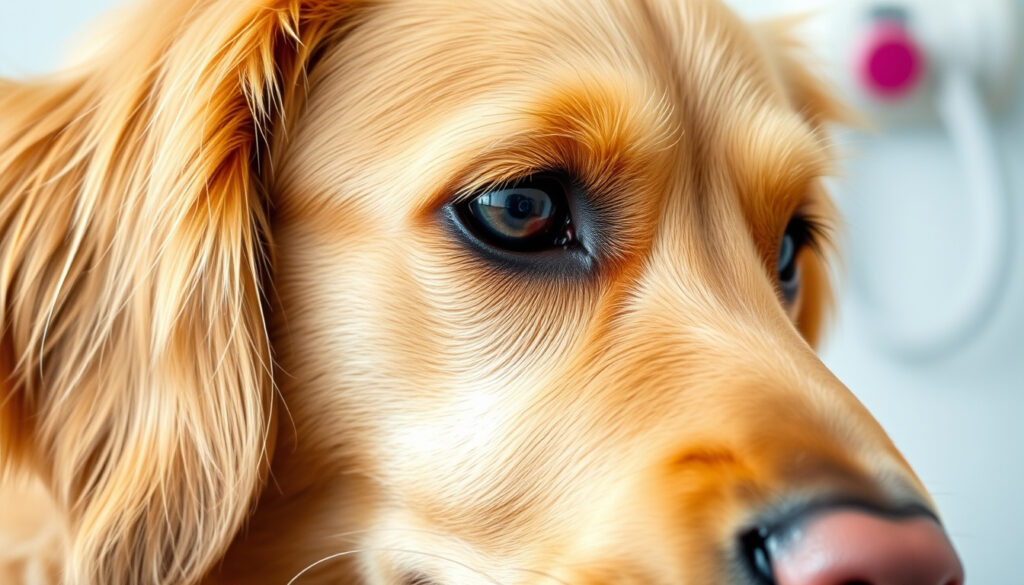
Cherry Eye in Dogs: Causes, Treatment & Surgery Cost Guide
Spotting a red, swollen lump in the corner of your dog’s eye is alarming—and that pink protrusion is more common than many owners realize. Cherry eye affects young dogs under 2 years old, and certain breeds face dramatically higher risks. This guide walks through what triggers the condition, which dogs are most vulnerable, and why surgery is the gold standard for permanent relief.
Affected species: Primarily dogs, occasionally cats · Medical term: Prolapse of third eyelid gland · Preferred treatment: Surgical replacement · High-risk breeds: Bulldogs, Beagles, Cocker Spaniels
Quick snapshot
- Surgery success approaches 100% in young dogs when performed promptly (American Kennel Club)
- Brachycephalic breeds are 34 times more likely to develop cherry eye (Country Living)
- Gland removal is no longer recommended—chronic dry eye follows (Cornell University College of Veterinary Medicine)
- Precise cost ranges vary significantly by geographic region and clinic type
- Home remedy success rates lack rigorous clinical documentation
- Exact long-term recurrence percentages post-surgery vary across studies
- Veterinary practice shifted from gland removal to repositioning surgery decades ago due to dry eye complications (Cornell University)
- Royal Veterinary College research on breed-specific risks gained prominence recently (Country Living)
- Prompt surgical consultation prevents chronic eye damage
- Post-surgery monitoring ensures proper healing and catches recurrence early
The following table consolidates the core medical and epidemiological facts about cherry eye in dogs.
| Label | Value |
|---|---|
| Medical term | Prolapse of third eyelid gland |
| Primary treatment | Gland replacement surgery |
| Untreated risks | Keratoconjunctivitis sicca (dry eye) |
| Typical age affected | Under 2 years old |
| Flat-faced breed risk | 6.9× more likely than medium-skull dogs |
| Key sources | Cornell Vet, AKC, Dogster |
How do you treat cherry eye in dogs?
Surgical repositioning of the gland is the primary recommended treatment. The procedure tucks the prolapsed gland back into a pocket created from surrounding tissue, secured with absorbable sutures. This approach preserves tear production and prevents the chronic dry eye that follows gland removal. The American Kennel Club notes that the surgery is nearly 100% effective when performed promptly in younger dogs.
Surgical options
Two main techniques exist: the pocket technique, where the gland is repositioned into a mucosal pocket, and the imbrication technique, which removes a small amount of tissue above the gland to allow it to return to its normal position. The pocket technique is more commonly performed. Surgical removal of the gland is actively discouraged by Cornell University’s veterinary guidelines due to the high risk of keratoconjunctivitis sicca (KCS).
Post-surgery care
After surgery, dogs typically receive pain medication, antibiotics, and an Elizabethan collar to prevent rubbing. Sterling Animal Shelter Clinic advises owners to monitor for signs of infection, recurrence, or improper healing. Most dogs recover within 10–14 days, though activity restrictions during healing are standard.
When to see a vet
- If the prolapsed gland is visible, schedule a vet visit within 24–48 hours
- Delayed treatment increases surgical complexity and recurrence risk
- Both eyes should be examined—cherry eye often develops in the second eye afterward
What causes cherry eye in dogs?
Cherry eye occurs when the third eyelid gland—responsible for roughly 30% of a dog’s tear production—prolapses from its normal position behind the nictitating membrane. The underlying cause involves weak connective tissue that fails to hold the gland in place. Genetics play a significant role in predisposed breeds, and peer-reviewed research from PMC confirms that purebreds face higher risk than mixed-breeds.
Triggers and risk factors
While the genetic component is primary, acute inflammation or eye irritation can exacerbate gland prolapse in susceptible dogs. Flat-faced breeds carry anatomical risk factors—research published in PMC demonstrates that brachycephalic breeds face significantly elevated risk due to skull structure affecting orbital anatomy.
Genetic predisposition
Weaker connective tissue around the gland runs in certain bloodlines. Dogster’s veterinary-reviewed content explains that this inherited weakness means the condition often appears in puppies as young as a few months old. If one parent breed carries the trait, offspring are more likely to develop it.
What dog breeds are prone to cherry eye?
Certain breeds face dramatically elevated risk, with flat-faced and short-muzzled dogs most vulnerable. The Neapolitan Mastiff shows the highest breed-specific risk according to Country Living’s analysis of Royal Veterinary College data, while English Bulldogs and American Cocker Spaniels consistently appear on every high-risk list.
High-risk breeds list
- Neapolitan Mastiff (highest risk)
- English Bulldog, American Cocker Spaniel (high risk)
- Boston Terrier, Beagle, Basset Hound
- Cane Corso, Boxer, Lhasa Apso
- Shih Tzu, Pug, Bloodhound
- Shorter-muzzled breeds overall carry elevated anatomical risk
Breed-specific prevention
Prevention in the traditional sense isn’t possible for genetically predisposed dogs—selective breeding practices that avoid affected animals represent the only meaningful population-level intervention. Dogster reports that 16 distinct breeds are commonly affected, and research from PMC confirms purebreds face higher risk than mixed-breeds.
How much does it cost to fix a cherry eye in a dog?
Surgery costs vary considerably based on geographic location, clinic type, and case complexity. According to AZ Vet Direct, cherry eye surgery is relatively low cost compared to other ophthalmic procedures, though specific dollar figures range widely depending on whether you use a general practice vet, a veterinary ophthalmologist, or low-cost clinic options.
Surgery cost factors
- General practice vets: typically lower range
- Board-certified veterinary ophthalmologists: higher range due to specialization
- Low-cost clinics and shelters: variable, sometimes subsidized
- Geographic region: urban areas often run higher than rural practices
- Single-eye vs. both-eye surgery: both procedures sometimes needed
Average ranges
Without a specific location, providing precise figures misleads readers—costs range from approximately $300 to $1,500 per eye in the United States. Emergency visits, pre-surgical bloodwork, and post-operative medications add to the base surgical fee. Some owners report costs around $500–$700 per eye through general practices, while specialist care can exceed $1,000 per eye.
How to treat cherry eye in dogs without surgery?
Non-surgical approaches exist, but they address symptoms rather than the underlying structural problem. Anti-inflammatory eye drops can reduce swelling and discomfort temporarily, according to AZ Vet Direct’s treatment overview. However, no non-surgical method permanently repositions the prolapsed gland.
Home remedies risks
YouTube content featuring at-home gland massage techniques circulates widely, with one veterinary channel suggesting possible manual reduction. These approaches reportedly work in rare early cases, but the research community lacks controlled studies on success rates. Attempting home remedies without veterinary guidance risks delaying proper treatment and increasing surgical difficulty.
Temporary fixes
- Anti-inflammatory eye drops: reduce swelling, may allow gland to return temporarily
- Warm compresses: comfort measure, no structural benefit
- Lubricating drops: compensate reduced tear production
- Antibiotic ointments: prevent secondary infection during prolapse
Temporary fixes buys time but not resolution. The gland remains structurally unstable, and untreated cherry eye risks chronic dry eye, corneal ulcers, and conjunctivitis according to Country Living’s veterinary sources.
Steps: What to do if your dog has cherry eye
- Confirm the condition. Identify the red-pink mass in the inner corner of the eye—it’s usually unmistakable, but let your vet formally diagnose it to rule out other issues.
- Schedule a vet appointment within 24–48 hours. Early intervention improves surgical outcomes and reduces recurrence risk.
- Discuss the pocket technique with your vet. Ask whether gland repositioning (rather than removal) will be performed, and request a referral to a specialist if your general vet lacks experience with the procedure.
- Obtain a cost estimate. Request itemized quotes including pre-surgical exam, anesthesia, the procedure itself, medications, and follow-up visits.
- Prepare for post-surgery care. Purchase an Elizabethan collar, plan for 10–14 days of restricted activity, and arrange follow-up appointments.
- Monitor both eyes. Cherry eye frequently develops in the second eye within months—watch for early signs and address promptly.
Confirmed facts
- Surgery success approaches 100% in young dogs when performed promptly
- Certain breeds are genetically prone due to inherited connective tissue weakness
- Gland removal causes chronic dry eye (KCS) in most cases
- Brachycephalic and flat-faced breeds face the highest risk
What remains uncertain
- Precise cost ranges without geographic location
- Home remedy success rates lack rigorous documentation
- Exact post-surgery recurrence percentages vary across studies
“Flat-faced breeds are up to 34 times more likely to develop the uncomfortable eye condition.”
— Royal Veterinary College research (Country Living)
“When surgery is performed promptly in a younger dog, it’s almost 100% effective.”
— Dr. Ford, Veterinarian (American Kennel Club)
“Surgical removal of the gland is not recommended because dogs that lose this gland are at high risk of developing chronic dry eye.”
— Cornell University College of Veterinary Medicine (Cornell University)
For breed-prone dog owners, knowing the early signs means the difference between a straightforward surgery and a complicated repair. Waiting allows scar tissue to form, making gland repositioning technically demanding and increasing recurrence odds.
The stakes are concrete: a dog that develops cherry eye in one eye has a strong chance of the same issue appearing in the other eye. Surgery performed early—while the gland is still healthy and tear production uncompromised—offers near-complete resolution. Delaying in favor of temporary eye drops lets irreversible damage accumulate, and by the time chronic dry eye sets in, treatment focuses on managing symptoms rather than curing the problem. For owners of Bulldogs, Beagles, Cocker Spaniels, or any brachycephalic breed, establishing a relationship with a vet who can perform gland repositioning surgery represents one of the most important preventive health decisions you can make.
Related reading: How Many Teeth Do Dogs Have? Puppy, Adult & Breed Facts
azvet.direct, lancasterpuppies.com, dogster.com, sterlingshelterclinic.org, en.wikipedia.org, nhah.com, pmc.ncbi.nlm.nih.gov, youtube.com
Cherry eye appears as a red swollen mass from third eyelid prolapse in dogs, where symptoms, causes, treatment guidedetails symptoms alongside surgical options and breed risks.
Frequently asked questions
Can cherry eye in dogs fix itself?
No—cherry eye will not resolve on its own. The gland remains prolapsed until surgically repositioned. In rare cases involving minor prolapse in very young puppies, a vet may attempt manual reduction, but this is not a permanent solution and recurrence is likely.
How to push cherry eye back in?
Veterinary professionals sometimes perform manual reduction using a specific technique, but this requires training and should never be attempted at home. Even when performed by a vet, manual reduction is temporary—the gland typically prolapses again within days or weeks.
Is cherry eye in dogs dangerous?
Yes, if left untreated. The prolapsed gland cannot produce tears normally, leading to chronic dry eye (keratoconjunctivitis sicca). Additional risks include corneal ulcers, conjunctivitis, and permanent vision impairment. The longer treatment is delayed, the more complicated the repair becomes.
What triggers cherry eye in dogs?
The primary trigger is genetic—weak connective tissue around the third eyelid gland. Secondary factors like eye irritation or inflammation may exacerbate prolapse in breeds already predisposed, but the underlying cause is structural and inherited.
What are the symptoms of cherry eye in dogs?
The hallmark sign is a red-pink mass protruding from the inner corner of one or both eyes. Additional symptoms include excessive tearing, pawing at the eye, discharge, and visible third eyelid. The affected eye may appear irritated or swollen.
More related posts
 How Long Is Wicked 2? Runtime of Wicked: For Good Confirmed
 Air Wick Essential Mist: How to Use, Settings & Fixes
 Richard Osman: Health, Marriages, Children & Net Worth
 Restaurants Near Me for Dinner: Mullingar Dining Guide
 What Is a Chargeback – Process, Timelines and Impacts
 Jodie Whittaker Doctor Who – Episodes in Order, Companions, Streaming Guide
 All Creatures Great and Small Episodes: Guide to All Seasons
 Mick McCarthy: Profile, Career, Net Worth, and Managerial Record
