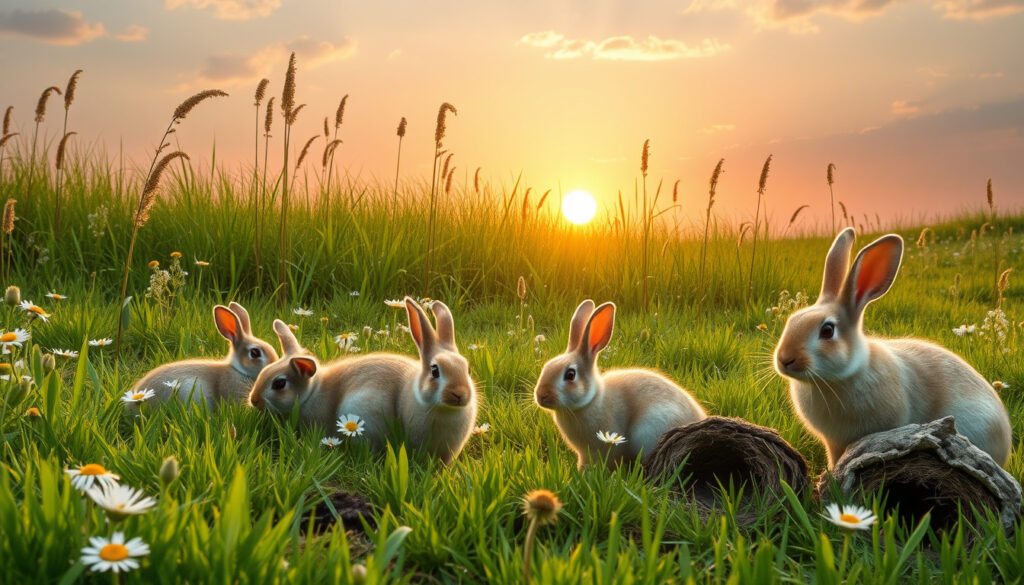
How Long Do Rabbits Live – Complete Lifespan Guide
How Long Do Rabbits Live? A Complete Lifespan Guide
Rabbits are increasingly popular companions, valued for their curious nature and gentle personalities. Understanding how long these animals typically live helps prospective owners make informed decisions and supports current caregivers in providing the best possible care throughout their rabbit’s life.
The average lifespan of a rabbit varies significantly depending on whether it lives indoors as a pet or faces the challenges of the wild. With proper veterinary care, appropriate nutrition, and a safe environment, pet rabbits commonly enjoy lives that span many years—often outliving other small mammals kept as companions.
This guide examines the factors that determine how long rabbits live, compares domestic and wild lifespans, and outlines practical steps owners can take to support their rabbits’ longevity and quality of life.
How Long Do Pet Rabbits Live?
Pet rabbits maintained in safe, indoor environments with consistent care typically live between 8 and 12 years, according to veterinary sources and animal welfare organizations. Some rabbits exceed this range considerably; records indicate individual rabbits have reached 14 to 16 years, with one notable house rabbit living to 18 years and 10 months.
The substantial lifespan difference between pet and wild rabbits reflects the protective benefits of domestic life. Rabbits kept indoors avoid common causes of early mortality including predation, vehicle strikes, environmental extremes, and limited access to veterinary treatment.
Key Insights About Rabbit Lifespan
- Captive rabbits live significantly longer than wild counterparts due to protection from predators and access to consistent nutrition
- Dwarf and smaller breeds typically outlive larger breeds, mirroring patterns seen in dogs
- Spaying and neutering can add years to a rabbit’s life, particularly by eliminating reproductive cancers
- Obesity and poor dental health are among the most common factors that shorten rabbit lifespan
- Indoor rabbits consistently outlive those kept primarily outdoors
- Regular veterinary checkups catch developing health problems before they become life-threatening
| Type/Breed | Average Lifespan | Notes |
|---|---|---|
| Domestic Pet (indoor) | 8-12 years | With proper care |
| Outdoor Domestic | 3-5 years | Higher exposure to risks |
| Wild Cottontail | 1-2 years | Rarely exceeds 3 years |
| Small/Dwarf Breeds | 7-12 years | Netherland Dwarf, Lionhead, Mini Rex, Holland Lop |
| Large Breeds | 5-8 years | Flemish Giant and similar |
| Mixed Breed | Varies; often longer | Reduced genetic health issues |
Pet Rabbits vs Wild Rabbits: Lifespan Comparison
The contrast between pet and wild rabbit lifespans illustrates how environmental protection dramatically extends longevity in this species. The House Rabbit Society notes that wild rabbits rarely survive beyond their second year, facing relentless pressure from predators, vehicle traffic, disease, and habitat loss.
Wild rabbits encounter multiple compounding threats throughout their brief lives. PetMD documents that predation accounts for the majority of wild rabbit deaths, while disease—particularly viral hemorrhagic disease and myxomatosis—regularly devastates wild populations. Environmental stressors including harsh weather, limited food availability, and territorial conflicts further reduce survival odds.
Even domestic rabbits kept outdoors face markedly shorter lives than those living indoors. The House Rabbit Society reports that outdoor domestic rabbits typically survive 3 to 5 years, experiencing elevated stress from temperature fluctuations, predator proximity, and limited human oversight that enables early intervention during health crises.
Factors Driving the Lifespan Gap
Several interconnected factors explain why pet rabbits live so much longer than wild ones. Predation represents the most obvious difference—domestic rabbits secure in homes or properly enclosed hutches avoid the constant mortality risk that wild rabbits face daily.
Access to consistent, appropriate nutrition substantially benefits pet rabbits. The RSPCA emphasizes that pet rabbits receive balanced diets tailored to their nutritional requirements, while wild rabbits must navigate seasonal food scarcity and potentially toxic plants.
Studies indicate that the protection afforded by domestic life accounts for a five to tenfold increase in average lifespan compared to wild counterparts, with individual variation depending on specific care conditions.
Veterinary care represents another critical advantage for pet rabbits. Regular checkups, dental maintenance, vaccinations, and prompt treatment of illness or injury all contribute to extended lifespans. Wild rabbits receive no such intervention, and even minor injuries or infections often prove fatal in natural settings.
What Factors Affect Rabbit Lifespan?
Multiple elements influence how long an individual rabbit will live. Understanding these factors helps owners optimize their care practices and recognize potential health concerns before they shorten their rabbit’s life.
Breed and Size
Smaller rabbit breeds consistently outlive larger ones, a pattern familiar to those who know dogs. Oxbow Animal Health documents that dwarf breeds such as the Netherland Dwarf, Holland Lop, Mini Rex, and Lionhead regularly achieve lifespans of 8 to 12 years or longer. In contrast, giant breeds like the Flemish Giant typically live only 5 to 8 years.
Purebred rabbits may face shorter lifespans than mixed-breed rabbits due to inherited genetic conditions. WebMD advises prospective owners to research breed-specific health problems and discuss concerns with a veterinarian familiar with rabbits.
Spaying and Neutering
Surgical sterilization significantly impacts rabbit longevity, particularly for females. Unspayed female rabbits face an exceptionally high risk of uterine cancer as they age. PetMD reports that up to 90% of unspayed does develop uterine cancer by age 2.5 years if not removed. Spaying eliminates this risk and typically adds one to two years to a female rabbit’s expected lifespan.
Veterinarians generally recommend scheduling spay or neuter procedures between 3 and 6 months of age, once the rabbit has matured sufficiently. This timing balances surgical safety with the health benefits of early sterilization.
Diet and Nutrition
Appropriate nutrition forms the foundation of rabbit health and longevity. The RSPCA emphasizes that rabbits require high-fiber diets dominated by grass hay, supplemented with fresh leafy greens and controlled quantities of pellets.
Fiber is particularly critical for rabbits, supporting proper digestive function and dental health. The constant chewing required to process fibrous materials wears down continuously growing teeth, preventing dangerous overgrowth. Insufficient fiber leads to dental disease, gastrointestinal stasis, and obesity—all conditions that reduce lifespan.
Environment and Housing
Whether a rabbit lives indoors or outdoors substantially affects longevity. The House Rabbit Society strongly advocates for indoor housing as the optimal choice for rabbit welfare and lifespan. Temperature extremes, predator access, and stress from environmental noise all shorten outdoor rabbits’ lives.
Indoor rabbits benefit from stable temperatures, protection from predators, and regular human interaction that provides mental stimulation. Access to adequate space for exercise, appropriate enrichment items, and companionship—either from humans or other bonded rabbits—further supports psychological wellbeing and physical health.
Provide at least four hours of supervised exercise outside the enclosure daily. Rabbits need space to run, jump, and explore for proper muscle development and cardiovascular health.
Genetics, Healthcare, and Stress
Genetic factors influence individual rabbits’ baseline health and disease susceptibility. While selective breeding has produced rabbits with desirable physical characteristics, it has also concentrated certain hereditary conditions in specific breeds. Regular health monitoring helps identify inherited problems early.
Consistent veterinary care throughout a rabbit’s life catches developing issues before they become severe. Annual wellness examinations, dental checkups, and prompt attention to behavioral or physical changes all contribute to longer, healthier lives.
How Can I Help My Rabbit Live Longer?
Owners can take concrete steps to maximize their rabbit’s lifespan potential. These practices address the key factors known to influence rabbit longevity and support overall wellbeing.
Prioritize Early Sterilization
Scheduling spay or neuter surgery early in your rabbit’s life eliminates reproductive cancers and reduces stress-related health problems. Chewy recommends discussing optimal timing with a rabbit-experienced veterinarian, typically between 3 and 6 months of age.
Feed an Appropriate Diet
A rabbit’s diet should consist primarily of grass hay—at least 80% of daily food intake for most adults. Oxbow Animal Health provides detailed feeding guidelines emphasizing unlimited hay access, measured greens, and minimal pellet portions. Avoid fruits and vegetables high in sugar, and never feed rabbits chocolate, bread, or other human foods.
Provide Indoor Housing with Enrichment
Keeping your rabbit indoors in a temperature-controlled environment eliminates most external mortality risks. The House Rabbit Society recommends providing safe, rabbit-proofed space where they can exercise freely for several hours daily. Toys, tunnels, digging boxes, and puzzle feeders provide mental stimulation that reduces stress.
Schedule Regular Veterinary Care
Annual veterinary examinations help establish baseline health and detect problems early. The RSPCA notes that rabbits should receive regular dental checkups, as dental disease is among the most common health issues affecting lifespan. Vaccinations, parasite prevention, and prompt treatment of any illness or injury round out comprehensive healthcare.
Maintain Healthy Weight and Reduce Stress
Obesity shortens rabbit lifespan significantly, contributing to joint problems, heart strain, and digestive issues. Boundbrook Veterinary Clinic advises monitoring body condition and adjusting food portions accordingly. Minimizing stressors such as loud noises, sudden environmental changes, or bullying from other pets also supports immune function and overall health.
Consult a veterinarian experienced with rabbits if you notice lethargy, appetite changes, weight loss, drooping head, or mobility difficulties—particularly in rabbits over 5 years of age.
Rabbit Life Cycle and Stages
Understanding the typical stages of a rabbit’s life helps owners anticipate changing care needs and recognize what constitutes normal versus concerning development or decline.
- Gestation (30-33 days): Female rabbits carry their young for approximately one month before giving birth to litters typically ranging from 1 to 6 kits.
- Kit stage (birth to 8 weeks): Newborn rabbits are born blind and helpless. Their eyes open around day 10, and weaning occurs between 4 and 8 weeks of age.
- Juvenile stage (8 weeks to 12 months): Young rabbits grow rapidly and require increased protein and calcium to support development. This period includes the adolescent phase from 6 to 12 months, during which territorial and hormonal behaviors emerge.
- Adult stage (12 months to 5 years): Rabbits reach sexual and physical maturity during this period. Nutritional needs stabilize, and established routines support ongoing health.
- Senior stage (5-8+ years): Older rabbits require closer health monitoring. Activity levels may decrease, and diet adjustments, joint support, and more frequent veterinary attention help maintain quality of life.
What We Know for Certain—And What Remains Unclear
When researching rabbit lifespan, some information is well-established while other questions remain open or depend heavily on individual circumstances.
| Established Information | Information That Varies |
|---|---|
| Pet rabbits average 8-12 years with proper care | Individual maximum lifespan without records |
| Wild rabbits average 1-2 years survival | Exact contribution of specific factors |
| Dwarf breeds outlive giant breeds | Optimal diet ratios for specific breeds |
| Spaying eliminates uterine cancer risk | Genetic predispositions without testing |
| Indoor housing extends lifespan | Stress impact quantification |
Veterinary consensus strongly supports the general lifespan ranges documented in this article. However, the precise maximum age any individual rabbit might achieve cannot be predicted with certainty. Similarly, the relative importance of various contributing factors—such as exactly how much each element affects longevity—remains difficult to quantify precisely.
Understanding Rabbit Aging and End-of-Life
As rabbits enter their senior years—generally considered to begin around 5 years of age—certain physical changes become more likely. Oxbow Animal Health notes that senior rabbits may experience reduced mobility, changes in appetite, weight fluctuation, and increased susceptibility to illness.
Signs that a senior rabbit may be declining include persistent lethargy, significant weight loss despite adequate food intake, difficulty moving, dropping food from the mouth, reluctance to groom, and changes in bathroom habits. PetMD advises that any combination of these symptoms warrants prompt veterinary consultation.
End-of-life care focuses on maintaining comfort, managing pain, and preserving quality of life for as long as possible. Working closely with a rabbit-savvy veterinarian helps owners make difficult decisions about when palliative measures should transition to humane euthanasia.
Summary
Rabbits kept as indoor pets typically live 8 to 12 years, though many exceed this range with excellent care. The dramatic difference between pet and wild rabbit lifespans—where wild rabbits average only 1 to 2 years—reflects the protective benefits of domestic life. Breed size, sterilization status, diet quality, housing environment, and access to veterinary care all significantly influence individual longevity.
Owners who prioritize early spaying or neutering, feed high-fiber diets dominated by grass hay, keep rabbits indoors, and maintain regular veterinary relationships give their companions the best opportunity to live full, healthy lives. Understanding the typical life stages and recognizing signs of aging support appropriate care throughout a rabbit’s lifetime. For those researching historical architecture alongside pet care, the construction timeline of Buckingham Palace demonstrates how environments shape lifespans across different contexts.
Frequently Asked Questions
What is the longest living rabbit breed?
Dwarf and small breeds consistently live longest, with the Netherland Dwarf, Holland Lop, Mini Rex, and Lionhead commonly reaching 8 to 12 years or more. Larger breeds like the Flemish Giant typically live 5 to 8 years.
What are signs a rabbit is dying of old age?
Senior rabbits approaching end of life may show lethargy, significant weight loss, reduced appetite, difficulty moving, and reluctance to interact. Consult a veterinarian experienced with rabbits for guidance and appropriate supportive care options.
What is a rabbit’s complete life cycle?
Rabbits progress through gestation (30-33 days), kit stage (birth to 8 weeks), juvenile stage (8 weeks to 12 months), adult stage (12 months to 5 years), and senior stage (5-8+ years). Each stage has distinct care requirements.
Do rabbits live longer in captivity?
Yes. Pet rabbits in indoor environments live an average of 8-12 years, compared to 1-2 years for wild rabbits. Even outdoor domestic rabbits live longer than wild ones but shorter than indoor pets.
How does spaying affect rabbit lifespan?
Spaying female rabbits eliminates the risk of uterine cancer, which affects up to 90% of unspayed does by age 2.5 years. This single intervention can add one to two years or more to a rabbit’s life.
What foods help rabbits live longer?
Grass hay should comprise the majority of a rabbit’s diet. Fresh leafy greens provide additional nutrition, while pellets should be limited. Avoid sugary fruits, vegetables high in starch, and any processed human foods.
How much exercise do rabbits need for optimal lifespan?
Rabb requires at least 4 hours of supervised exercise outside their enclosure daily. Regular movement supports muscle development, cardiovascular health, and mental wellbeing—all factors that contribute to longer lives.
More related posts
 Exeter City F.C. – History, Stadium and League One Status
 The Elder Scrolls IV Oblivion Remastered – Everything We Know
 Noni Madueke: Career, religion, headband & Chelsea exit
 Cast of Pride and Prejudice 2005: Where Are They Now
 Running Up That Hill: Meaning, Revival, and Impact
 What Does DM Mean – Texting, Social Media and Gaming Contexts
 Horizon Forbidden West PC: Specs, Performance, Release
 Peter Gabriel: Biography, Relationships, and Friends
